Isle of Dogs rubbish collection tips for tight access homes
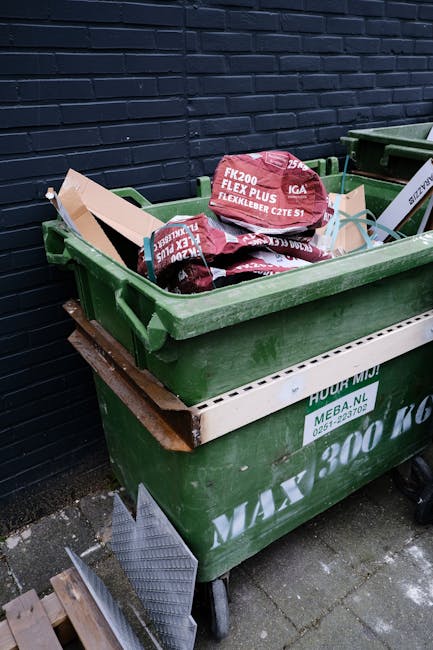
If you live in a tight-access home on the Isle of Dogs, rubbish collection can feel oddly complicated. Narrow stairwells, shared hallways, controlled parking, awkward front steps, and nowhere to leave bulky items can turn a simple clearance into a bit of a puzzle. The good news is that it does not have to be stressful. With the right approach, you can make waste removal safer, faster, and a lot less disruptive.
This guide brings together practical Isle of Dogs rubbish collection tips for tight access homes, with a focus on planning, sorting, moving items, and choosing the right collection method. Whether you are clearing a flat, a maisonette, a converted property, or a compact home with tricky access, the steps below will help you avoid delays and reduce the risk of damage. Truth be told, a little preparation makes a huge difference.
Why Isle of Dogs rubbish collection tips for tight access homes Matters
Tight-access homes need a different kind of rubbish collection plan. On the Isle of Dogs, properties often sit in busy residential blocks, compact terraces, or converted buildings where every corridor seems to have just enough width for one person and a small bag, not a sofa. That changes everything.
When access is restricted, the usual problems show up quickly:
- items get stuck on stairs or around sharp corners
- hallways can be scratched or marked
- neighbours may be blocked by stacked waste
- collections take longer than expected
- lifting risks increase, especially with heavy or awkward items
And let's face it, nobody wants to drag a broken wardrobe halfway down a stairwell only to discover it was never going to fit through the door anyway.
Good planning matters because it protects the property, reduces manual handling strain, and helps the collection team work efficiently. It also helps you avoid the dreaded second trip. If you are dealing with furniture, appliances, renovation debris, or mixed household rubbish, the access route often decides the whole job.
For larger clearances, it may help to read about flat clearance and home clearance, especially if your property is compact or shared.
How Isle of Dogs rubbish collection tips for tight access homes Works
Rubbish collection in a tight-access property usually works best when the job is broken into stages. In practice, that means you do not just "put things out" and hope for the best. You assess the access, sort the waste, decide which items need two people, and think through the route from room to vehicle before collection day.
The basic flow is usually:
- Assess the access route - measure doors, landings, stair bends, lifts, and any external gates or alleyways.
- Separate waste types - general rubbish, furniture, appliances, garden waste, builders waste, and anything hazardous should be kept apart where possible.
- Break down items safely - flat-pack furniture, take off loose shelves, remove drawers, and bag smaller debris.
- Stage items neatly - place them in a safe holding point that does not block exits or shared areas.
- Load efficiently - heavier items first, fragile items protected, and awkward pieces handled by the right number of people.
On tighter properties, collection is less about brute force and more about sequence. The route matters. The item order matters. Even the time of day can matter if parking or pedestrian access is limited.
If you are dealing with mixed waste, a general waste removal service may suit you better than trying to piece everything together yourself. For renovation mess, builders waste clearance can be the more sensible route.
Key Benefits and Practical Advantages
When tight-access rubbish collection is planned properly, the benefits show up immediately. The process becomes calmer, cleaner, and less risky. That sounds simple, but in a busy area like the Isle of Dogs, simplicity is worth quite a lot.
- Less damage risk - careful routing reduces knocks to walls, bannisters, and flooring.
- Faster collection - clear access means fewer delays and less backtracking.
- Safer handling - the right lifting plan reduces strain and trips.
- Better neighbour relations - tidy staging and shorter disruption matter in shared buildings.
- More predictable pricing - when the access details are accurate, quotes tend to be more realistic.
There is also a quieter benefit: you feel in control. Instead of watching waste pile up and thinking, "How on earth are we moving that?", you have a plan. That alone can make a messy job feel much more manageable.
For bulky household items, it is often worth looking at specific services such as furniture disposal or mattress and sofa disposal, because these items are often the ones that cause the most access trouble.
Who This Is For and When It Makes Sense
This kind of rubbish collection advice is useful for anyone living or working in a property where access is not straightforward. On the Isle of Dogs, that often includes:
- top-floor flats with narrow internal staircases
- converted houses with awkward landings
- homes with shared entrances or limited communal space
- properties with tight parking or limited kerbside loading
- older buildings with smaller door frames or steep steps
- offices or home offices where waste needs moving through common areas
It also makes sense when you are clearing more than a few bags. A small amount of general rubbish is one thing. A dismantled bed, two wardrobes, mixed electronics, and half a loft's worth of clutter is another. If the space is tight, the job becomes about logistics, not just disposal.
For example, if you are preparing a flat for new tenants, a house clearance or furniture clearance may be a better fit than trying to handle everything piecemeal.
It is also sensible to think ahead if items are in awkward spaces such as lofts, sheds, or garages. In those cases, specialist options like loft clearance and garage clearance can save time and, frankly, your back.
Step-by-Step Guidance
Here is a practical way to manage rubbish collection in a tight-access Isle of Dogs home without turning the day into chaos.
1. Walk the route before you move anything
Start from the item and trace the route all the way to the exit. Look for corners, door swing direction, low ceilings, steps, loose carpets, and anything that could snag a bulky item. If the route feels tight to you when it is empty, it will feel tighter once a mattress or chest of drawers is involved.
2. Measure the awkward points
You do not need surveyor-level precision. Just get the important numbers: door widths, stair width, landing space, and lift dimensions if you have one. A quick tape measure check often prevents a wasted collection slot. It is one of those small jobs that saves a big headache later.
3. Separate items by type and size
Put bags with bags, furniture with furniture, and appliances with appliances. If something needs dismantling, do it early rather than during collection. For mixed waste, keep sharp items or breakables protected and clearly grouped.
4. Clear the access path
Move shoes, rugs, prams, planters, and anything else that could narrow the route. Shared hallways should stay tidy and unobstructed. If you live in a block, this matters even more because neighbours need to pass safely.
5. Bag and bundle properly
Use sturdy sacks for loose waste. Tape drawers shut if needed. Remove loose glass shelves from cabinets. Tie cables and cords. A surprisingly large part of efficient rubbish collection is just preventing small things from becoming nuisance things.
6. Keep heavy items low and stable
Put heavy items close to the floor, not stacked loosely on top of smaller boxes. If a collection team is lifting items through a narrow stairwell, unstable loads are a real problem. No one wants a wobbling pile at shoulder height. Nobody.
7. Protect walls and floors where possible
If you know the route is tight, use old blankets, cardboard, or corner protectors where suitable. Even a few minutes of protection can stop scuffs. That is especially useful on painted walls and in common hallways where marks show quickly.
8. Decide what needs specialist handling
Appliances, sofas, mattresses, and hazardous items often need more care than standard rubbish. A fridge is not just "another big thing", and neither is old paint, solvent containers, or broken tiles. Separate these early and book the right service where needed.
If you have electricals, fridge and appliance removal can be especially useful. If the waste includes potentially risky materials, review hazardous waste disposal before moving anything around.
Expert Tips for Better Results
Small details are what make tight-access rubbish collection work smoothly. In our experience, the properties that go best are not the neatest ones. They are the best-prepared ones.
- Book with access in mind - mention stairs, lifts, parking constraints, and any shared entrance restrictions before collection day.
- Use the widest route, not the shortest route - the quickest path is not always the safest one.
- Take photos of awkward items - this helps with planning and reduces surprises on the day.
- Keep mixed waste out of one giant pile - sorting as you go is slower initially, but much faster overall.
- Schedule when the building is quieter - early afternoon can sometimes be calmer than the morning rush, depending on the block.
- Think in stages - move small items first to create space for larger ones.
A simple but useful trick: place the most difficult item nearest the exit once it has been measured and checked. That way, if it needs extra hands or a different route, you find out before everything else is already in the hallway.
For homes with bulky soft furnishings, it is often worth checking mattress and sofa disposal before collection day. Soft furniture is deceptive; it looks flexible until you try to bend it around a stair turn. Then reality arrives very quickly.
Common Mistakes to Avoid
Most tight-access collection problems are avoidable. The same few mistakes tend to cause the most trouble.
- Not measuring the route - guessing is risky, especially with sofas, wardrobes, and appliances.
- Leaving everything until the last minute - rushed sorting leads to errors and extra lifting.
- Blocking hallways - even for a short time, this can create safety and neighbour issues.
- Forgetting about weight distribution - a light-looking bag may hide heavy rubble or wet waste.
- Mixing different waste types together - this complicates loading and may affect how items are handled.
- Assuming every item can go with standard rubbish - appliances, chemicals, and certain bulky items need a separate decision.
Another common issue is trying to move an item solo because it "only needs a quick lift". That is often how corners get damaged, backs get tweaked, and collection days become memorable for the wrong reasons. A tiny bit of patience helps here.
Tools, Resources and Recommendations
You do not need a van full of equipment to handle rubbish collection properly, but a few basic tools make life easier.
- Tape measure for doors, stairs, landings, and awkward corners
- Sturdy gloves for grip and protection
- Heavy-duty sacks for loose rubbish and lighter mixed waste
- Blankets or cardboard sheets to reduce scuffing on walls and floors
- Marker pens and labels for separating waste types or identifying fragile items
- Basic dismantling tools for flat-pack furniture, where safe and appropriate
From a service perspective, it helps to use pages that match the item type rather than forcing everything into one category. For instance, office clearance is useful if you are clearing desks, chairs, and paperwork from a home office, while business waste removal can suit small commercial premises or mixed-use spaces.
If you are planning disposal of older furniture, you may also find the company's recycling and sustainability information helpful, especially if you want a more responsible route than simply throwing everything away. That tends to matter more and more these days, and fair enough too.
Law, Compliance, Standards, or Best Practice
With rubbish collection, the safest approach is to follow UK waste best practice and any building rules that apply to your property. You do not need to be a legal expert to do this well, but you should be careful with how waste is stored, moved, and handed over.
Common-sense compliance points include:
- do not place waste where it blocks fire exits or communal escape routes
- keep hazardous or potentially dangerous items separate
- avoid manual handling that is clearly unsafe for one person
- check building rules for shared hallways, lifts, and loading areas
- make sure the disposal route is suitable for the item type
Where there is any uncertainty, especially with electrical appliances, sharp waste, chemicals, or suspected hazardous materials, it is better to stop and ask than to improvise. Best practice is usually simple: protect people, protect the property, and keep the waste stream sensible.
For policies around safety and handling, it can also be helpful to review the company's health and safety policy and insurance and safety information before booking. That is not flashy, but it is reassuring in the right way.
Options, Methods, or Comparison Table
Different rubbish collection methods suit different access problems. Here is a simple comparison to help you think it through.
| Method | Best for | Strengths | Limitations |
|---|---|---|---|
| Bagged waste collection | Small clear-outs, general rubbish, light mixed waste | Easy to stage, quick to move, minimal disruption | Not suitable for bulky items or heavy debris |
| Flat or home clearance | Furniture, mixed household items, larger room-by-room jobs | Good for compact homes, flexible for awkward access | Needs better planning and item grouping |
| Specialist appliance or furniture removal | Fridges, sofas, mattresses, wardrobes, large electricals | Handled with the right equipment and approach | May require item-specific booking and sorting |
| Builders waste clearance | Renovation waste, rubble, timber, packaging, mixed construction debris | Efficient for messy work areas and heavier waste | Needs clear separation from household rubbish |
If your property is very tight on access, the best option is often the one that reduces carrying distance and minimises handling. That is why item-specific solutions can outperform a one-size-fits-all approach.
Case Study or Real-World Example
Imagine a second-floor flat on the Isle of Dogs with a narrow internal staircase, a small entrance hall, and a shared landing. The resident wants to clear a worn sofa, a double mattress, two side tables, and several bags of general waste before new furniture arrives. Nothing outrageous, but enough to be awkward.
The first instinct might be to move everything in one go. That is where jobs get messy. Instead, the resident checks the route first and realises the sofa will not make the turn unless it is carried upright and angled carefully. The mattress is fine, but only if it is moved after the hallway is cleared. The small tables can be dismantled. The waste bags need to be staged away from the doorway so the exit stays open.
By separating the items and planning the order, the collection becomes a clean sequence rather than a scramble. The route is protected, the neighbours are not blocked, and the job finishes without drama. It sounds ordinary, which is exactly the point. The best collection days are the boring ones.
In situations like this, a combination of flat clearance and mattress and sofa disposal is often more practical than trying to treat every item the same.
Practical Checklist
Use this quick checklist before collection day. It saves a lot of back-and-forth.
- Measure doorways, stairs, landings, and any lift access.
- Check whether shared hallways or entrances need to stay clear.
- Separate bags, furniture, appliances, and hazardous items.
- Dismantle what can be safely dismantled.
- Remove loose glass, shelves, or sharp edges where possible.
- Protect floors, corners, and walls if the route is especially tight.
- Confirm parking or loading arrangements if needed.
- Tell the collection team about anything awkward before arrival.
- Keep the exit route open and tidy.
- Have a backup plan for any item that turns out to be too large or too heavy.
Practical summary: on the Isle of Dogs, tight-access rubbish collection works best when you treat the access route as part of the job, not just a detail. Measure first, sort early, move safely, and choose the service that fits the waste type. A calm plan is nearly always cheaper than a rushed fix.
Get a free quote today and see how much you can save.
Conclusion
Tight access does not have to mean difficult rubbish collection. With a clear route, sensible sorting, and the right service choice, even awkward homes can be cleared efficiently and safely. That is especially true on the Isle of Dogs, where compact layouts and shared spaces are part of everyday life.
The main thing is not to rush. Measure the route, separate the waste, and think about the collection sequence before the first item moves. Once you do that, the whole process feels less like a problem and more like a well-managed task. And honestly, that is the difference most people are looking for.
If you are clearing bulky items, mixed household waste, or a property with very limited access, a tailored collection approach will usually save time and reduce stress. Small preparation. Big payoff. Not glamorous, but effective.
And if the day still feels a bit much, that is normal. Start with one room, one route, one bag at a time. You will get there.
Frequently Asked Questions
What is the best way to arrange rubbish collection for a tight-access home on the Isle of Dogs?
The best approach is to measure the access route first, sort waste by type, and book the collection method that matches your items. For bulky furniture or mixed waste, a tailored clearance service is often easier than trying to manage everything as standard rubbish.
How do I know if my sofa or mattress will fit through the stairs?
Measure the widest part of the item and compare it with the narrowest point on the route, including door frames and stair turns. If the shape is awkward, remember that angle and manoeuvre space matter as much as raw width.
Should I dismantle furniture before collection?
Yes, where it can be done safely. Removing legs, shelves, drawers, or side panels can make a big difference in tight spaces. Just avoid forcing pieces apart if that could damage the item or the property.
What waste types are hardest to remove from tight-access homes?
Large wardrobes, sofas, mattresses, fridges, washing machines, and builders waste tend to be the most difficult. They are heavy, awkward, or both, and they often need more space than you first expect.
Can rubbish be left in the hallway before collection?
It depends on your building rules and whether the area stays safe and unobstructed. In shared properties, it is usually better to stage items neatly without blocking exits, neighbours, or access routes.
Is a flat clearance better than individual item removal?
If you have several items, yes, it is often more efficient. Flat clearance works well when waste is spread across rooms or when access is limited and you want the load handled in one planned visit.
What should I do with old appliances in a narrow flat?
Separate them from general rubbish and check whether they need specialist handling. Fridges and larger electricals can be awkward and may need a dedicated appliance removal service rather than a standard collection.
How can I avoid damaging walls and bannisters?
Clear the route first, use two people for larger items, and protect corners or floor edges where practical. Slow, controlled movement is much safer than trying to rush heavy items through tight turns.
Are there compliance issues with rubbish collection in shared buildings?
There can be. You should avoid blocking fire exits or communal routes, and you should follow any building rules about loading, parking, and shared access. If something feels borderline unsafe, it usually is.
What if an item turns out to be too large to move?
Stop, reassess the route, and consider whether dismantling is possible or whether a different collection method is needed. Forcing it is rarely worth the damage or risk. Sometimes a second plan is the smart plan.
How far in advance should I prepare for collection day?
A day or two is often enough for a small clearance, but larger or tighter-access jobs benefit from earlier preparation. The more awkward the property, the more time you should allow for sorting and route checks.
Do I need special help for hazardous waste?
Yes, hazardous items should be handled separately and with care. Do not mix them with general rubbish, and do not move them around casually in a confined space. If in doubt, keep them isolated until you know the right route forward.
Where can I check company policies before booking?
It is sensible to review the available policy pages, especially on safety, insurance, and sustainability. That gives you a better feel for how the collection is handled and what standards the provider follows.